
Conoscete il concetto di pretty privilege? È quell’espressione che usiamo per dire che chi è esteticamente bello parte avvantaggiato: favorito a un colloquio, ascoltato con più attenzione, o semplicemente trattato con maggiore simpatia.
E se vi dicessi che questo meccanismo si applica anche al mondo naturale?
Partiamo da un esempio banale. In casa tua entrano uno scarafaggio e una farfalla. Perché schiacci il primo e ammiri la seconda? Sono entrambi insetti: sei zampe, quattro ali. Eppure il primo non rispetta i nostri canoni estetici, la seconda sì.
E per chi pensa che solo gli scarafaggi portino malattie perché vivono negli scarichi, mi spiace darvi una brutta notizia: le farfalle si nutrono di escrementi e carcasse. Il nettare, da solo, non basta al loro fabbisogno.
Credete che gli scienziati siano immuni a questa tendenza? Vi sbagliate di grosso. Nelle scienze naturali esiste il cosiddetto bias estetico: ricercatrici e ricercatori tendono a studiare gli esseri viventi più "gradevoli" o carismatici, mentre quelli meno appariscenti finiscono nel dimenticatoio.
Quanti articoli scientifici ci sono sui funghi? Solo l'1,4% delle ricerche sulla conservazione della biodiversità. Eppure le specie fungine sono ben più numerose di quelle vegetali: si stima che esistano circa 6 specie di funghi per ogni singola specie di pianta sulla Terra.
Il motivo è piuttosto ovvio. Li avete visti, i funghi? A parte i porcini e i chiodini, sono masse informi che si ramificano nel terreno, con consistenze che variano dal molliccio al compatto, forme discutibili e una tassonomia completamente incasinata. Ammettiamolo, "fanno schifo". Se doveste scegliere un argomento di studio per tutta la vita, preferireste le orchidee o le muffe mucillaginose?
Facciamo un test di sincerità:
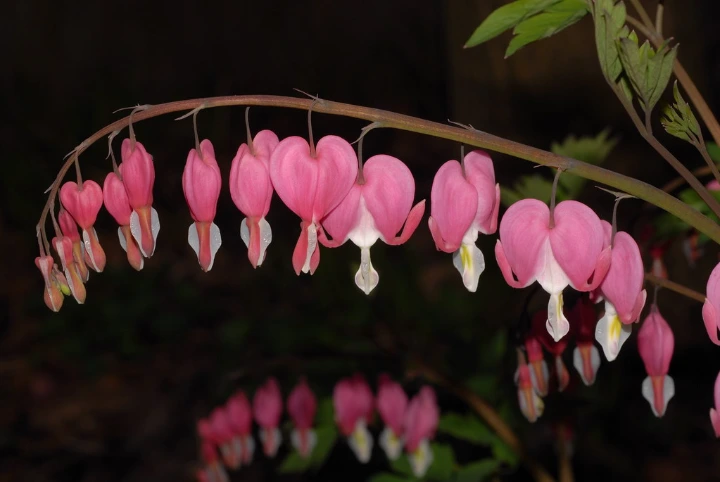
Cuore di Maria – delicato, romantico, impeccabile.
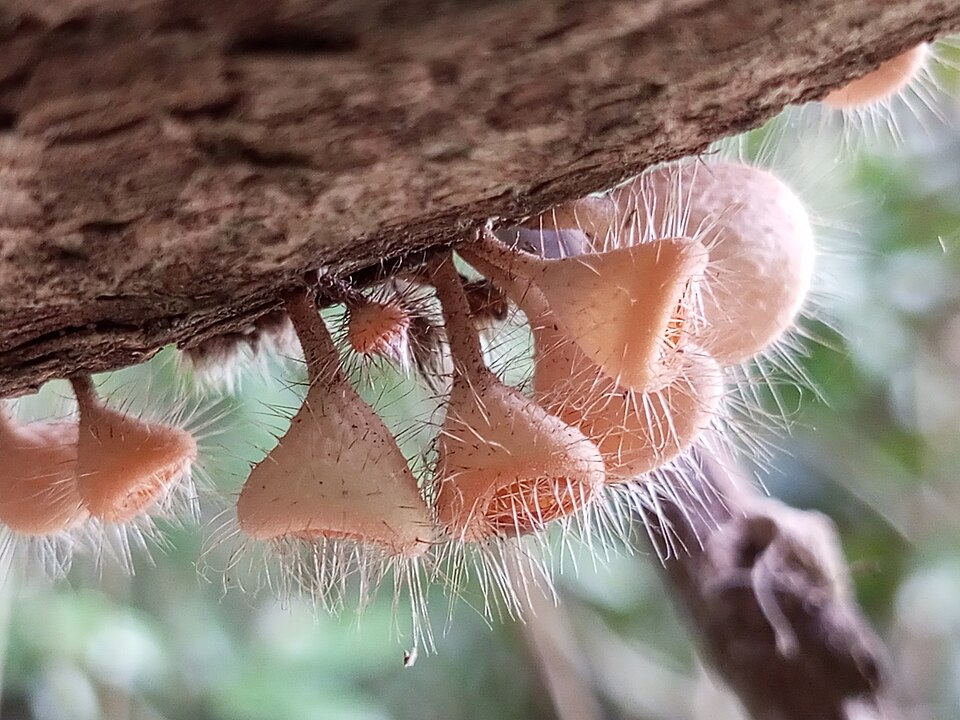
Genere Cookeina – sembra uscito da un incubo umido.
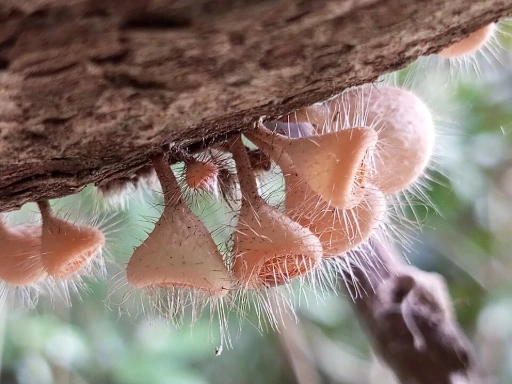
Siate onesti: a quale dedichereste 40 anni della vostra vita accademica?
Ma il fenomeno non riguarda solo il confronto tra gruppi lontani. Succede anche tra le piante stesse. Immaginate di camminare in un prato immenso, circondati da vegetazione di ogni tipo. Quale pianta attira la vostra attenzione? Quella con microscopici fiorellini giallognoli, o quella con vistosi fiori colorati?
Secondo uno studio del 2021 dell’Università di Torino, a vincere sono i fiori blu. Creando un modello statistico, i ricercatori hanno scoperto che le piante con fiori di questo colore avevano un numero di articoli scientifici dedicati inspiegabilmente alto, a parità di habitat e rarità. Insomma, il blu paga.
Andando più in generale, gli insetti rappresentano il 70% delle specie animali del pianeta. Ci aspetteremmo quindi che la maggior parte degli studi scientifici fosse dedicata a loro. Ovviamente, sapete già la risposta: sono uccelli e mammiferi da soli a coprire più del 50% delle pubblicazioni.
Va bene, ognuno studia ciò che gli piace. Che problema c'è?
Il problema è che i nostri sforzi per conservare la biodiversità riflettono esattamente questo bias estetico.
Prendiamo il panda: mammifero in via d'estinzione, grosso orsetto coccoloso, con la mascherina nera, dall’aria tonta e morbida. Talmente amato da diventare la mascotte del WWF, la più grande organizzazione internazionale per la protezione ambientale. Ci è piaciuto così tanto che abbiamo concentrato su di lui sforzi enormi, portandolo da "a rischio di estinzione" a "vulnerabile". Per carità, siamo tutti felici per lui (a parte Barbascura X), ma mentre ci facciamo ammaliare dai suoi occhietti dolci, si stima che ogni giorno si estinguano decine o centinaia di specie ancora sconosciute. Si parla di dark extinction: l'estinzione silenziosa di specie che spariscono prima ancora di essere scoperte, descritte e classificate.
Dunque dovremmo smettere di proteggere animali carini come il panda e concentrarci sul bacarozzo australiano?
Non necessariamente. In biologia della conservazione si distinguono due concetti utili: le specie bandiera e le specie ombrello.
La specie bandiera è un animale scelto come ambasciatore per una campagna ambientale, grazie al suo enorme carisma sul pubblico (panda, tigre, koala). Il suo scopo è attirare l'attenzione mediatica, generare empatia e raccogliere fondi.
La specie ombrello, invece, è un animale che richiede un habitat molto vasto o complesso. Proteggere quel territorio significa aprire un "ombrello" protettivo su migliaia di altre specie che vivono nello stesso ambiente.
Il panda, essendo sia bandiera che specie ombrello, è perfetto!
Insomma, per quanto cerchiamo di essere imparziali e razionali, non ce la possiamo fare: la bellezza sarà sempre, per noi, il primo criterio di giudizio. Ma, come sempre, la consapevolezza dei nostri bias è il primo passo per comprendere meglio il nostro operato e, forse, riparare ai nostri errori.
ENGLISH VERSION
Do you know the concept of "pretty privilege"? It's that expression we use to say that those who are aesthetically attractive start out with an advantage: favoured in a job interview, listened to more closely, or simply treated with greater sympathy.
In short, as much as we try to be impartial and rational, we just can't help it: beauty will always be, for us, the primary criterion of judgment. But, as always, awareness of our biases is the first step toward better understanding our actions and, perhaps, remedying our mistakes.
Bibliografia
- [M. Adamo, M. Chialva, J. Calevo, F. Bertoni, K. Dixon, e S. Mammola, «Plant scientists’ research attention is skewed towards colourful, conspicuous and broadly distributed flowers», Nat Plants, vol. 7, fasc. 5, pp. 574–578, mag. 2021, doi: 10.1038/s41477-021-00912-2.
- M. M. A. Boehm e Q. C. B. Cronk, «Dark extinction: the problem of unknown historical extinctions», Biol. Lett., vol. 17, fasc. 3, p. 20210007, mar. 2021, doi: 10.1098/rsbl.2021.0007.
- M. Branton e J. S. Richardson, «Assessing the value of the umbrella-species concept for conservation planning with meta-analysis», Conserv Biol, vol. 25, fasc. 1, pp. 9–20, feb. 2011, doi: 10.1111/j.1523-1739.2010.01606.x.
- I. R. Caldwell et al., «Global trends and biases in biodiversity conservation research», Cell Reports Sustainability, vol. 1, fasc. 5, mag. 2024, doi: 10.1016/j.crsus.2024.100082.
- G. Kalinkat et al., «Flagship umbrella species needed for the conservation of overlooked aquatic biodiversity», Conservation Biology, vol. 31, fasc. 2, pp. 481–485, apr. 2017, doi: 10.1111/cobi.12813.
- M. F. Rosenthal, M. Gertler, A. D. Hamilton, S. Prasad, e M. C. B. Andrade, «Taxonomic bias in animal behaviour publications», Animal Behaviour, vol. 127, pp. 83–89, mag. 2017, doi: 10.1016/j.anbehav.2017.02.017.